A piebald horse, long excluded from model and gait competitions in France, is now among the most sought-after mounts in certain artistic disciplines. The criteria for equine beauty, often dictated by historical codes or breed standards, have continually evolved, oscillating between utilitarian demands and aesthetic considerations. The judgments made about the appearance of horses reveal persistent contradictions: what is perceived as noble in one culture may be deemed unsightly elsewhere. The boundaries between functionality, elegance, and rarity outline a shifting map of beauty in the equine world.
When equine beauty shapes art and culture: cross perspectives on a fascinating animal
The horse is not merely useful or high-performing; it haunts museums, fuels literature, and stimulates the imagination far beyond zootechnical manuals. In Paris and many other cities, the equine silhouette stands out in exhibitions, from the prehistoric frescoes of Lascaux to the most contemporary paintings. In every brushstroke, every line of poetry, it is inscribed as a symbol of power, grace, and freedom, never reduced to a mere ornament.
In literature as well, it occupies a special place. Some see in the draft horse an embodiment of patient strength and loyalty. Its muscles, endurance on country roads, and ability to unite effort with gentleness nourish a shared memory. Intelligence, docility, and the ability to integrate into a group: these are qualities associated with the very figure of the horse, inherited from a long history where humans and mounts have chosen and tamed each other.
Before listing “impeccable” qualities, one must observe how our appreciations differ according to eras and societies. Take a look at this astonishing example: the article ugly horse explores the diversity of views and judgments regarding equine appearance. What is appealing here may offend elsewhere; the palates of equine taste remain highly variable, reflecting local histories as much as current trends.
The different types of horses found in France, from the spectacular Percheron to the persevering Ardennes, reveal an impressive palette of shapes, characters, and uses. Their omnipresence in the countryside as well as in galleries testifies to this extraordinary ability to inspire and question, far beyond simple criteria of classical beauty.
What makes a horse truly beautiful? Between aesthetic criteria, symbols, and emotions
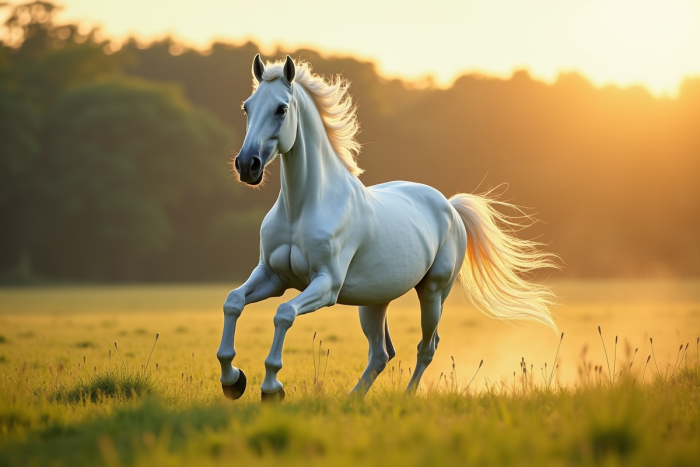
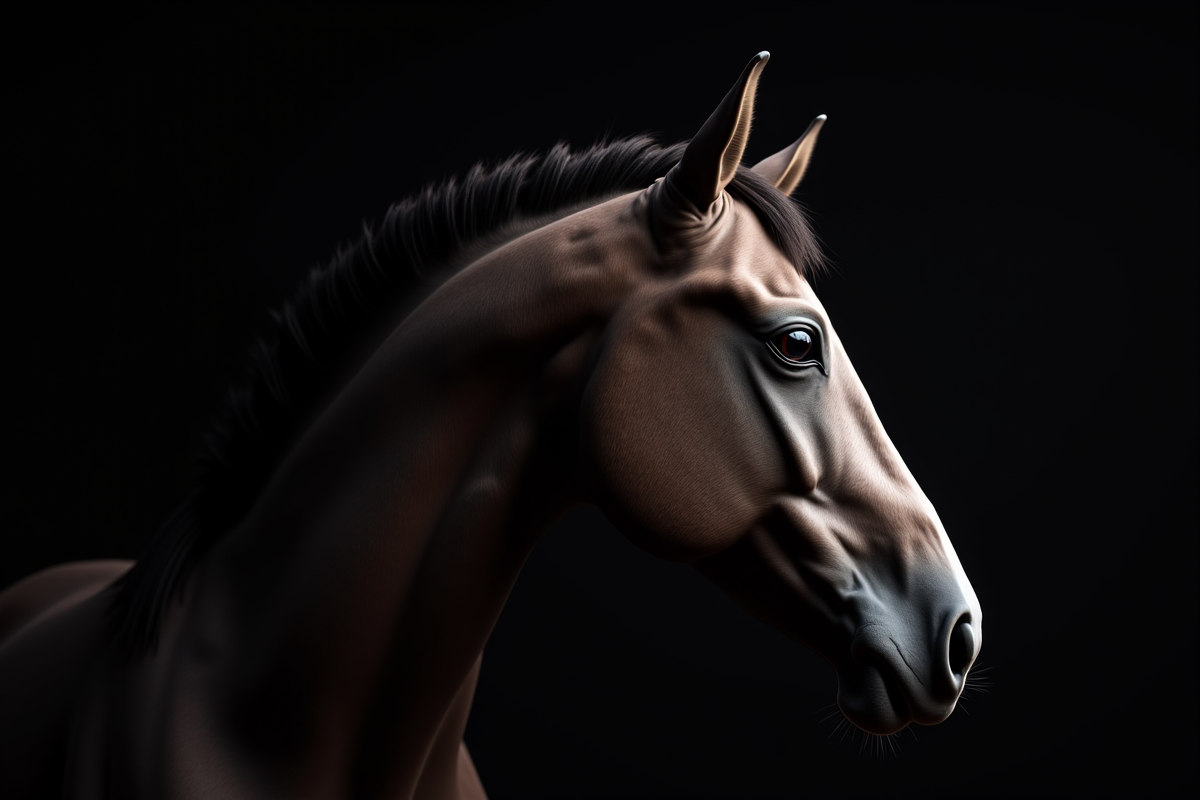
Whether observing a horse at a gallop or standing still in the pasture, beauty rarely strikes as a ready-made formula. It reveals itself in the overall harmony, the nobility of the head carriage, but also in the rich diversity of coats: bay, black, gray, chestnut, roan, palomino, cremello… The rounding of the neck, the quiet power of the shoulders, the flexibility of the hindquarters draw attention. A draft horse, massive, commands respect through its solidity, while a thoroughbred will captivate with the fineness of its silhouette and its liveliness. Each animal showcases its uniqueness, power, and balance.
Some details stand out immediately: the ears always attentive, the quivering nostrils, the shine of a well-groomed coat. These small nuances reflect a variety of shapes and colors that, over time, inspire symbols and narratives. In the Middle Ages, each shade had its value: the light represented purity, the chestnut energy, the bay reliability. Trends come and go, but the emotion generated by the presence of the animal remains.
When it comes to gait, the first reality is the vitality of the horse. No brilliance without iron health: appropriate diet, daily fibers and proteins, vitamins, minerals, and attentive grooming practices. This routine shapes beauty, boosts musculature, and sharpens the animal’s gaze. The horse’s aesthetics arise from a subtle balance between genetic heritage, environment, and care received, not to mention the influence of the human gaze upon it.
Between art, culture, and lived experiences, one observation stands out: the beauty of the horse is never decided for everyone, nor once and for all. Each rider, each horse lover, each artist reconstructs their own scale of beauty in relation to the animal. Perhaps this is the true privilege of contemplating a horse: to be constantly surprised, always invited to reconsider one’s definition of aesthetics.