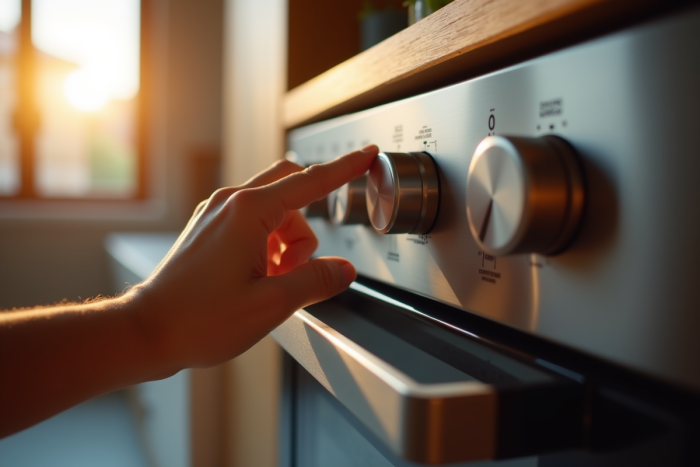
A thermostat displaying 180°C does not guarantee an even distribution of heat inside the oven. A difference of 10 to 20 degrees is often observed between the programmed temperature and the actual temperature reached inside, depending on the model and age of the appliance.
The position of the rack, the type of heat selected, and preheating directly influence the final result of cooking. Some preparations can tolerate a margin of error, while others may lose texture or flavor. Precise settings then become crucial for achieving consistent and controlled cooking.
Understanding heat modes and their influence on cooking
Forget the idea that an oven always works the same way: each appliance has its own rules. A traditional oven heats its dishes using its heating elements, without ventilation. This is referred to as static heat, ideal for slow cooking: stews, golden gratins, thick-crust bread. Here, the dish is placed in the center to avoid surprises. The heat rises gently, and cooking is done softly.
With convection heat, everything changes. Air circulates, heat envelops the food, and cooking time is reduced by 20 to 25%. As a result, the temperature often needs to be lowered by 15 to 20 °C compared to the traditional mode. For example, a recipe intended for a thermostat of 6 in a conventional oven will need to be adjusted to prevent the dish from drying out or cooking too quickly with convection heat.
The choice of energy also changes the game. A gas oven heats quickly, but heat distribution can sometimes be uneven: thus, the temperature needs to be increased slightly to compensate. In contrast, the electric oven heats more slowly but maintains stable heat. Steam models appeal to those who like to control humidity and texture down to the finest details.
Using cooking modes effectively also involves considering the position of the rack, turning dishes halfway through, and choosing molds suited to the recipe. These actions make a difference: they ensure even cooking, avoid texture discrepancies, and help prevent energy waste.
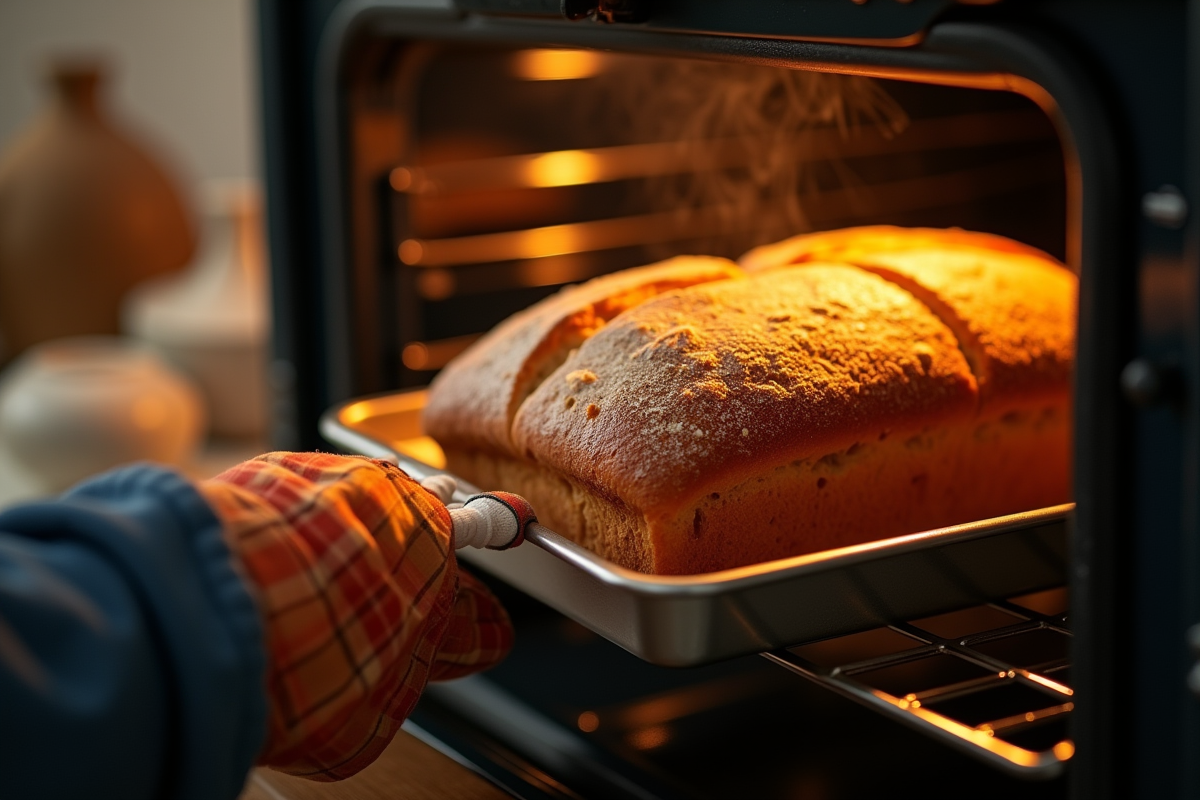
Ideal temperatures: successfully grilling, roasting, and baking without thermostat errors
To hit the mark, the precision of the thermostat becomes your ally. Mechanical models follow a simple rule: multiply the thermostat setting by thirty to get the temperature in degrees Celsius. For example, thermostat 6 means 180°C, and thermostat 5 translates to 150°C. As for electronic thermostats, they display the temperature in full, but it remains useful to check that the oven corresponds to what it claims. An oven thermometer or a probe will help avoid any approximation.
Preheating is not superfluous. Allow ten to fifteen minutes before baking, so that the heat reaches the entire cavity and does not drop the temperature as soon as the dish is placed inside. For meats, precision is even more critical: a chicken requires 180°C, at a rate of twenty to thirty minutes per pound. Medium beef is best at 160°C, while rare is at 200-220°C. Regarding baking, gentleness is key: cakes and tarts bake at 180°C for 25 to 30 minutes; cookies and biscuits prefer 190 to 200°C, but only for twelve minutes.
Here are some concrete guidelines for positioning the rack according to your recipes:
- Middle rack for cakes and biscuits
- Top position for gratins and lasagna
- Bottom of the oven for quiches and pizzas
The choice of mold is not trivial. Silicone requires lowering the temperature by 10°C; dark metal speeds up cooking; light metal needs 15°C less; Pyrex cooks faster; ceramic requires a bit more time. Always keep an eye on the cooking process, and don’t hesitate to move the dish or check the internal temperature. Sometimes, a few degrees make all the difference between a perfect result and disappointing cooking.
The next time you put a dish in the oven, remember that the true secret to controlled cooking lies not in the recipes but in the precision of your settings. It’s up to you to master the heat and make your oven a faithful ally, dish after dish.